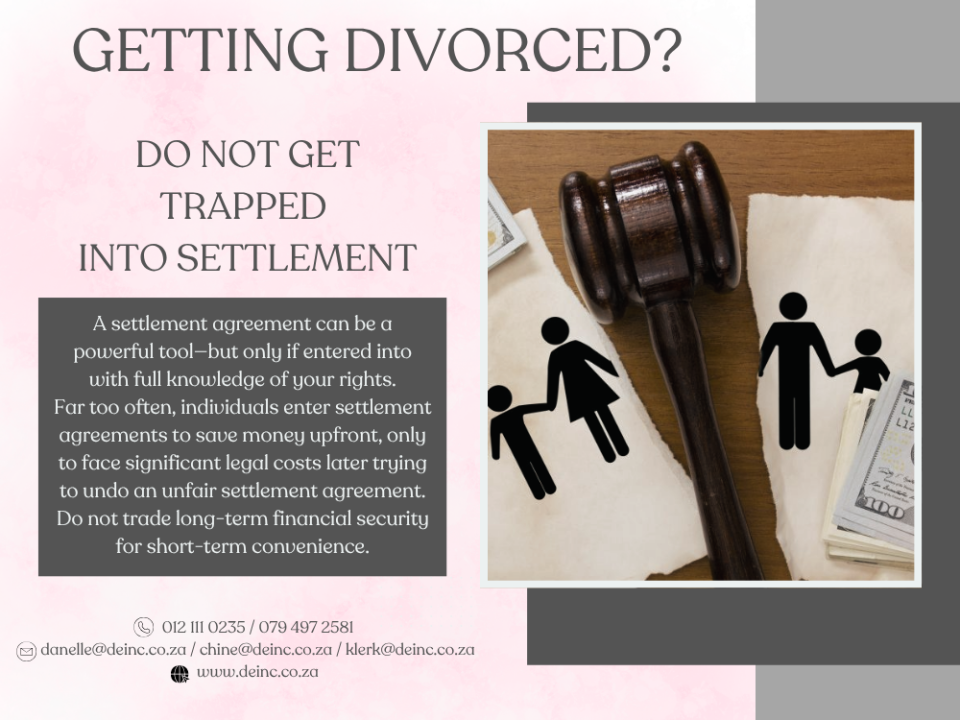

Getting Divorced? Don’t Get Trapped into Settlement
22 April, 2026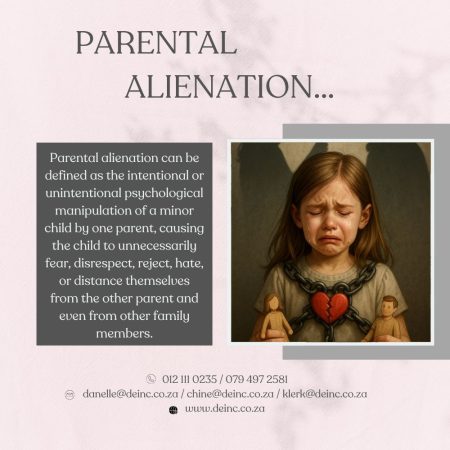 What is Parental Alienation?
Parental alienation is considered a concept that can be defined as the intentional or unintentional psychological manipulation of a minor child by one parent, causing the child to unnecessarily fear, disrespect, reject, hate, or distance themselves from the other parent and even from other family members.
Parental alienation is a silent but very serious issue in high-conflict divorces or separations and is globally recognised as a form of psychological abuse, which violates the UN Convention on Children’s Rights as well as the Universal Declaration of Human Rights.
To name but a few examples, parental alienation can include negative comments about the other parent, one parent belittling the other, limiting contact between the minor and the other parent, or creating an environment where minors feel they must “choose sides.” Some parents even go so far as to make false allegations of emotional, physical, or sexual abuse against the other parent.
Parental Alienation in South Africa
As opposed to countries like Mexico and Brazil, parental alienation in South Africa is not recognised as a specific statutory offence. Although South African courts and legislation are still developing their understanding of the concept of parental alienation and its implications, we can rely on both the Constitution and the Children’s Act 38 of 2005, which make it clear that the best interests of a minor child supersede all and are the top priority in any situation involving minors. Section 7 of the Children’s Act, among various other factors that should be considered when determining a minor’s best interests, specifically refers to the fact that a child has the right to a personal relationship with both parents and family members.
From a legal point of view, this kind of conduct has developing consequences that will come into effect as our courts increasingly acknowledge the impact of parental alienation on minor children.
Beyond the Legal Implications
In most cases of parental alienation, the alienating parent fails to realise that the real harm is done to the minor child. Due to the lack of mature reasoning in minors, parental alienation can cause emotional and psychological trauma, which may have both short-term and long-term effects.
Short-term effects may include:
- Mental health problems such as severe anxiety, low self-esteem, and depression;
- Behavioural issues such as substance abuse and aggression; and
- A distorted sense of reality due to constant pressure and false narratives.
Long-term effects (in adulthood) may include:
- Ongoing mental health problems such as depression and severe anxiety;
- Identity issues and memory confusion; and
- Relationship dysfunction, including difficulty trusting intimate partners and recognising unhealthy relationships.
In the matter of Richies v Richies 1981 (1) PH B4 (O), the Honourable Judge shared the following view during judgment:
“A parent who unnecessarily deprives a child of the opportunity to experience the affection of the other parent and breaks down the image of that parent in the eyes of the child is a selfish parent, robbing the child of what should be its heritage in order to salve his own wounds. Regrettably, parents wounded by marital conflict often lose objectivity and use as weapons the very children they profess to love more than life itself, causing further harm in the process.”
Although South African law still has a long road of development ahead in relation to parental alienation, it is important for parents going through a divorce or separation to educate themselves on what parental alienation is and how it affects a child’s emotional and psychological well-being. By understanding its effects, parents will be better equipped to identify and avoid harmful behaviours, support the development of healthy relationships with both parents and family members, and ultimately act in the child’s best interests. Well-informed parents are better able to co-parent responsibly, make sound decisions, and ensure stability and emotional security for their children.
Children deserve love, stability, and the freedom to maintain healthy relationships with both parents and extended family members—without conflict, pressure, or guilt.
Takeaway
At the end of the day, a divorce or separation ends a relationship between adults, not the responsibility of being a good parent. As legal practitioners, we encourage parents, while the law continues to develop, to rise above personal differences and focus on what truly matters: raising emotionally secure, well-supported children who can thrive as adults.
By Chiné de la Rey – Junior Associate Attorney at Danelle Els Attorneys Incorporated